Choosing the right DC Charging Connector for your electric vehicle (EV) is more crucial than it seems. Many drivers overlook this aspect, thinking all connectors are the same. In reality, they vary significantly in compatibility and charging speed.
A DC Charging Connector is the lifeline of your EV, enabling fast and efficient charging. Selecting one that matches your vehicle’s specifications is essential. It can lead to increased convenience during long trips and daily commutes. However, finding the ideal connector may prove challenging. There are several options, and each comes with its advantages and disadvantages.
Reflection is necessary. Are you familiar with the types of connectors available? Do you grasp the significance of power ratings and plug designs? Understanding these factors can prevent frustration and enhance your overall experience. Take the time to research and ask questions. The right choice can make a world of difference in how you interact with your EV.
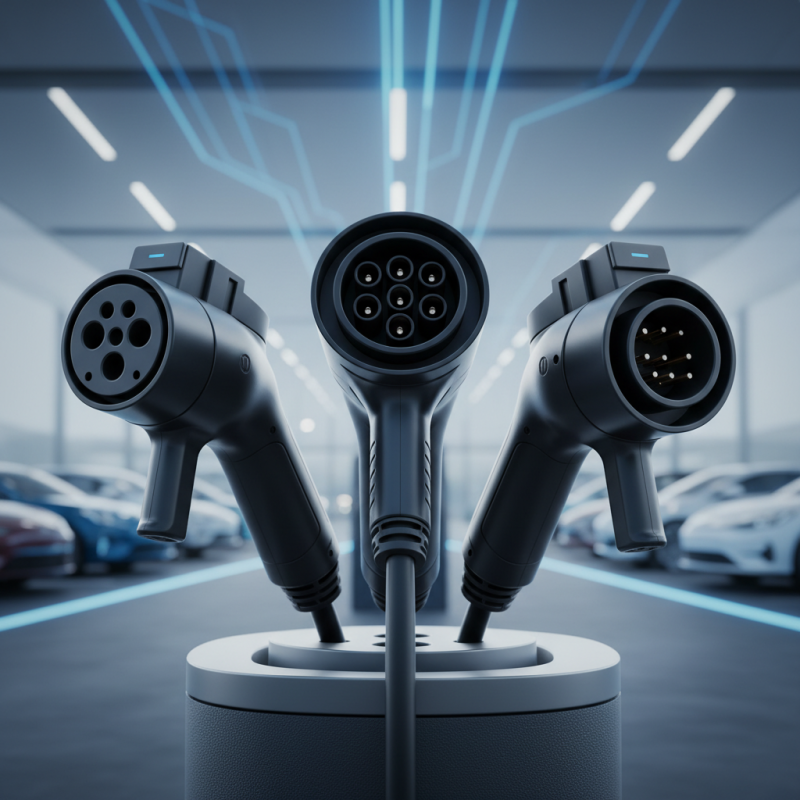
Choosing the right DC charging connector for electric vehicles (EVs) is crucial for ensuring compatibility and efficiency. There are several types of connectors commonly used, including CCS, CHAdeMO, and Tesla. Each has unique specifications and market usage trends.
According to recent industry reports, CCS connectors dominate the European market, accounting for approximately 65% of DC fast charging stations. In contrast, CHAdeMO is more prevalent in Japan, with a stronghold of about 30% of the charging infrastructures.
Understanding these differences can guide users in selecting the appropriate equipment. The connector's power output varies, impacting charging speed. For instance, CCS can deliver up to 350 kW, while CHAdeMO offers up to 62.5 kW. Additionally, usability factors such as location and station availability should be considered. In some regions, accessibility to chargers may limit options, creating frustration for users.
Research indicates that the global DC charging connector market is projected to grow significantly. By 2026, it is expected to reach over 5 billion USD. Yet, many EV owners still face challenges with connector types at public charging stations. The need for standardization is evident, as inconsistent formats can lead to confusion. Awareness of these differences is essential for making informed choices.
When selecting a DC charging connector, it's essential to analyze its compatibility with your electric vehicle (EV) model. Different manufacturers use various connector types. According to a report by the International Energy Agency, more than 30 different types of charging connectors exist globally. Ensuring compatibility can be a daunting task for new EV owners.
One common connector type includes CCS (Combined Charging System). Many EV models use CCS, due to its fast-charging capabilities. However, some models may use CHAdeMO. This disparity can lead to confusion and frustration. It’s crucial to know which type your vehicle supports to avoid being stranded with an incompatible charger.
Tips: Always refer to your owner's manual for connector specifications. Additionally, online forums can provide insights from other users facing similar challenges. Before investing in a fast charger, double-check that it matches your vehicle. It can be costly to purchase the wrong equipment, leading to delayed charging times. Understanding your EV's needs is vital for smooth, hassle-free charging experiences.
When choosing the right DC charging connector for your electric vehicle (EV), one primary factor is charging speed. Different connectors support various power levels. Higher power means faster charging. For example, a 150 kW charger can rapidly charge vehicles that can handle it. However, if your EV only supports lower power levels, you may waste time at a high-capacity charger without any benefit.
Consider your specific power requirements as well. Check the maximum power your EV's battery can take. Some may only need 50 kW for optimal charging. Using a connector that exceeds this can lead to inefficiencies. Always balance what your vehicle needs against what's available.
Tips:
- Assess your driving habits. If you charge overnight, high-speed may not be necessary.
- Look at future needs. Technology evolves. A connector that seems adequate now may be insufficient later.
Reviewing your options carefully can seem tedious but is essential. Both charging speed and power requirements play crucial roles. If you overlook these factors, you may end up frustrated. It’s a personal journey—one that deserves thorough thought.
When selecting a DC charging connector for electric vehicles (EVs), environmental and installation factors play a crucial role. Open charging networks require consideration of local grid conditions. The U.S. Department of Energy reports that approximately 80% of fast charging occurs in commercial locations. This statistic emphasizes the need for installation that supports high-demand areas.
In terms of environmental factors, connectors should meet sustainability goals. For instance, materials used should be recyclable. According to a 2022 industry report, 70% of EV owners prefer charging stations that implement eco-friendly designs. Such preferences drive the need for innovations in connector manufacturing. High efficiency in energy transfer is also essential. Inefficient charging stations contribute significantly to energy loss, leading to higher operational costs.
Lastly, installation is not just about location. The layout of charging stations must accommodate various EV models and connector types. A report from the International Energy Agency highlights that nearly 30% of charging installations face compatibility issues. This statistic suggests the importance of universal designs. The complexities in choosing the right connector reflect ongoing challenges in the EV charging landscape.
The future of DC charging connectors is rapidly evolving. New technologies promise faster charging times and greater efficiency. As electric vehicles (EVs) become more popular, the demand for better connectors increases. Future connectors may feature improved safety mechanisms. These advancements are essential for accommodating different vehicle types.
Emerging trends include compact designs and wireless charging options. These innovations aim to simplify the user experience. However, compatibility issues can arise. Various standards may lead to confusion. It’s important to establish common protocols to ensure a seamless charging experience for all.
We also face challenges with infrastructure. As more EVs hit the road, charging stations must adapt. Upgrading existing systems requires investment and time. Furthermore, consumer education is vital. Users need to understand their options. Making informed choices is crucial as technology continues to advance.
: Analyze compatibility with your electric vehicle model. Different connectors exist, and knowing your vehicle’s requirements is essential.
Charging speed affects how quickly your EV can charge. Higher power levels generally mean faster charging, but check your vehicle's limits.
Using a high-capacity charger may waste time. It’s vital to match the charger’s power with your EV’s needs for efficiency.
Refer to your owner's manual for connector specifications. Online forums also provide useful insights from other EV users.
Trends include faster charging times and compact designs. There may also be advancements in wireless charging options for user convenience.
Users need to understand their options. Informed choices lead to better charging experiences as technology evolves.
Future connectors may improve efficiency but can create compatibility issues. It's crucial to stay updated on standards and options.
Purchasing an incompatible charger can lead to frustration and delay. It’s wise to double-check before investing in charging equipment.
It depends on individual driving habits. For those who drive less, overnight charging may be practical; others may need faster options.
As EV usage grows, charging stations must adapt. Upgrading existing systems takes time and investment, impacting overall availability.
Choosing the right DC Charging Connector for your electric vehicle (EV) involves understanding the various types available and assessing their compatibility with your specific model. Different connectors offer unique features and standards, making it crucial to ensure that the one you select meets the requirements of your vehicle.
Additionally, evaluating factors such as charging speed and power requirements will help you optimize your charging experience. Environmental considerations, including installation locations and conditions, also play a vital role in this decision-making process. As technology evolves, staying informed about future trends in DC Charging Connectors will further enhance your ability to make an informed choice that meets both current needs and anticipates future developments.
