0%

In the fast-paced world of logistics and retail, efficiency is key. The introduction of Thermal Linerless Labels has transformed labeling processes. According to a recent report by Smithers Pira, businesses can reduce label costs by up to 25% using linerless technology. These labels eliminate the backing paper, which not only reduces waste but also maximizes label utilization.

Companies are adopting Thermal Linerless Labels to streamline their operations. The labels offer a cleaner, greener alternative, significantly lowering environmental impact. With a growing demand for sustainable solutions, the market for linerless labels is projected to grow at over 5% annually through 2026. However, challenges remain in the implementation process.

Many businesses struggle with the transition from traditional labels. It requires investment in compatible printers and training for staff. The benefits are substantial, yet the adjustment can be daunting. As organizations embrace this technology, the potential for mistakes and learning curves will surface. Recognizing these issues is crucial for effective integration and maximizing the advantages of Thermal Linerless Labels.
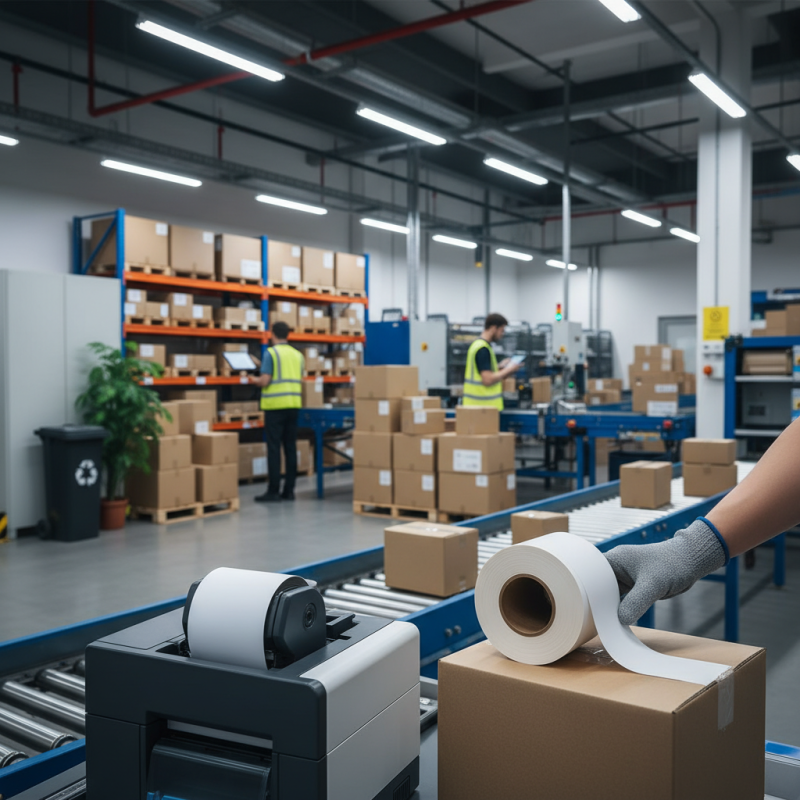
How to Use Thermal Linerless Labels Effectively?

Understanding Thermal Linerless Labels: Key Features and Benefits

Thermal linerless labels are gaining traction in various industries for their efficiency and sustainability. These labels eliminate the need for a backing liner, reducing waste significantly. According to a recent report by the Paper and Packaging Board, linerless labels can save up to 40% of material compared to traditional labels. This eco-friendly approach appeals to companies striving to reduce their environmental impact.

Key features of thermal linerless labels include their ability to withstand high temperatures and their versatility in printing. These labels are well-suited for barcodes and product information. However, users should be aware of the need for compatible printing equipment to fully realize these benefits. A study by Smithers Pira indicates that the global market for label materials is expected to reach $50 billion by 2025, reflecting increased demand for innovative solutions.

Tip: Ensure the printer settings are correctly adjusted for linerless labels. Incorrect settings may lead to printing issues.

Adopting linerless labels can also present challenges, such as potential adhesion problems if not applied correctly. Users might find that labels can misalign if rushed during application. Recognizing these pitfalls is crucial for successful implementation.

Tip: Conduct regular training sessions for staff on proper label application techniques. This can help reduce errors and improve efficiency.

Choosing the Right Thermal Linerless Labels for Your Application

Choosing the right thermal linerless labels can significantly impact your workflow. These labels are designed for various applications, from shipping to retail. To start, consider the specific requirements of your tasks. For instance, if you operate in a freezer environment, select labels that withstand low temperatures. On the other hand, high-temperature environments demand labels with robust adhesive properties.

Understanding the printing method is crucial. Some thermal printer models work better with certain types of labels. Test a few samples before making a bulk purchase. This small trial can prevent costly mistakes. It's common to underestimate the adhesive quality. A label that peels off too easily can cause delays in your operations.

Pay attention to the size as well. Labels that are too small may not convey enough information. Conversely, oversized labels can clutter your packages. Getting the dimensions right is essential. Do not overlook the material. Paper labels suit most applications, but synthetic materials offer durability for harsh conditions. Always reflect on past choices. Learn from previous challenges to optimize your label selection process.

Preparing Your Printer for Thermal Linerless Labels: Step-by-Step Guide

Preparing your printer for thermal linerless labels is crucial for optimal performance. Start by ensuring your printer is compatible with linerless materials. Review the printer specifications to confirm this. Clean the print head and rollers, as dirt can lead to smudged labels. Use a cotton swab with isopropyl alcohol for this task. This step is often overlooked, yet it significantly affects print quality.

Next, install the linerless labels correctly. Ensure they are fed through the printer without any twists. Misalignment can cause paper jams. When setting the temperature, find a balance. Too high can burn the label; too low may affect the print quality. It requires some trial and error. Adjusting the speed is also necessary; find a setting that works without compromising clarity.

Some users may struggle with the adhesive characteristics of linerless labels. It’s essential to test them in various conditions, especially if they will be exposed to heat or moisture. Reflect on the challenges you face during these tests, such as adhesive failure. Not every label works perfectly, and learning from mistakes is part of the process.

Best Practices for Storing and Handling Thermal Linerless Labels

Storing and handling thermal linerless labels requires careful attention to detail. Ideal storage conditions are essential. Industry reports indicate that labels should be kept in a temperature-controlled environment, ideally between 15°C and 25°C. Humidity levels should not exceed 60% to prevent adhesive malfunctions. Labels exposed to extreme temperatures may become unusable.

When handling these labels, ensure clean, dry hands. Oil or moisture can compromise their adhesive properties. Always feed labels into printers properly to avoid jams. Studies have shown that improper handling can reduce label quality by up to 30%.

After unpacking, keep labels in their original protective packaging until use. This prevents exposure to dust and light. It's advisable to rotate stock, using older labels first. Acknowledge that even with the best practices, some labels may still face issues. Not all storage solutions are perfect, and sometimes even slight fluctuations in environment can impact performance.

Troubleshooting Common Issues with Thermal Linerless Labels

Thermal linerless labels can streamline labeling processes. However, users often face issues. One common problem is poor adhesion. This can happen due to incorrect application. Ensure the surface is clean and dry. Residue can cause labels to peel or fall off.

Another issue is print quality. Low temperatures on printers may affect clarity. Regular maintenance is vital. Dust and debris can clutter printers. Following a regular cleaning schedule helps achieve better print outcomes. According to industry data, 25% of print quality issues stem from printer malfunctions.

Tip: Use a test label before printing large batches. It helps identify potential issues early.

Additionally, improper roll handling can lead to jamming. This disrupts workflow and causes frustration. Store labels in a climate-controlled environment. Extreme temperatures can harm materials. Always check roll alignment before loading.

Tip: Rotate stock frequently. This prevents older labels from degrading.

By addressing these common challenges, the efficiency of thermal linerless labels can improve significantly. Regularly reviewing procedures should be part of your routine.

FAQS

: What factors should I consider when choosing thermal linerless labels?

: Consider your specific application needs, such as temperature extremes and adhesive strength.

How does the printing method impact label choice?

Different printer models work better with specific labels. Testing samples helps avoid mistakes.

Why is the adhesive quality important?

Poor adhesive can lead to labels peeling off, causing delays in your workflow.

How do I ensure the correct label size?

Choose a size that provides sufficient information without cluttering the package.

What materials should I consider for labels?

Paper is common, but synthetic materials offer durability in harsh environments.

How should I store thermal linerless labels?

Store them in a temperature-controlled setting between 15°C and 25°C, with low humidity.

What handling practices are recommended for these labels?

Use clean hands and feed them into printers properly to avoid jams.

Should I remove labels from their packaging before use?

Keep them in original packaging until use to avoid dust and light exposure.

How can I prevent label quality reduction?

Proper handling and storage can help maintain quality, but flaws may still occur.

Is it important to rotate stock of labels?

Yes, use older labels first to minimize waste and ensure optimal performance.

Conclusion

Thermal Linerless Labels offer a range of benefits for various applications, including increased efficiency and reduced waste. Understanding their key features is crucial for selecting the right type for your specific needs. Whether you're labeling products, shipping items, or managing inventory, choosing the appropriate thermal linerless labels can significantly enhance your operations.

To ensure optimal performance, it's important to prepare your printer according to the requirements of thermal linerless labels. Following a step-by-step guide can help you set up your printer correctly, minimizing common issues. Additionally, best practices for storing and handling these labels can prevent damage and maintain their functionality. By addressing common troubleshooting challenges, you can maximize the benefits of thermal linerless labels in your workflow.

Sophia

Sophia

Sophia is a dedicated marketing professional with an exceptional depth of knowledge about her company's products and services. With a keen understanding of market trends and customer needs, she crafts insightful blog posts that not only inform but also engage readers, enriching the company’s online......