0%

hydraulic cylinders are versatile components found in various applications. They provide powerful motion through pressurized fluid. Understanding the different types of hydraulic cylinders is essential for choosing the right one for specific needs.

Many industries rely on hydraulic cylinders. They help in construction, manufacturing, and automotive sectors. Each type serves unique functions based on design and purpose. For instance, double-acting cylinders deliver force in both directions. Their efficiency is crucial for tasks like lifting heavy loads.

However, selecting a hydraulic cylinder isn’t always straightforward. Factors like load capacity and operating environment must be considered. Sometimes, users overlook these details, leading to poor performance. By exploring the top ten hydraulic cylinder types, we can gain insights and make informed decisions.
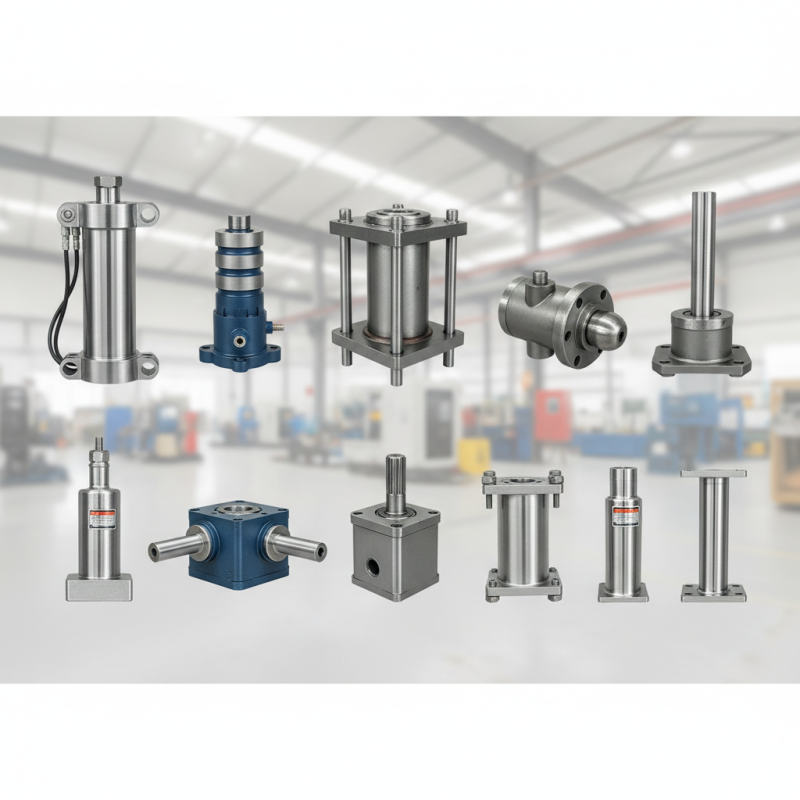
Top 10 Hydraulic Cylinder Types Explained and Their Uses?

Types of Hydraulic Cylinders and Their Basic Functions

Hydraulic cylinders come in various types, each designed for specific functions. These cylinders convert hydraulic energy into mechanical force. They're critical in many industries, from construction to manufacturing. Different types serve unique applications, enhancing efficiency.

One popular type is the double-acting cylinder. It can push and pull, offering versatility. These cylinders are often used in heavy machinery. Another common type is the single-acting cylinder, which only applies force in one direction. It is simpler and frequently found in applications like clamping.

However, there are also more specialized cylinders. Telescopic cylinders extend for greater reach, while differential cylinders adjust stroke lengths. Each design presents advantages and trade-offs. Understanding these details can help in choosing the right type for specific needs.

Misuse or misalignment can lead to mechanical failures. Reflecting on these factors is vital for optimal performance.

Single-Acting vs. Double-Acting Hydraulic Cylinders

Hydraulic cylinders play a vital role in many industries. They convert hydraulic energy into mechanical force. Among the many types, single-acting and double-acting hydraulic cylinders are the most commonly used.

Single-acting cylinders have one active chamber. They extend in one direction, using pressure from hydraulic fluid. Once pressure is released, a spring or gravity retracts the cylinder. This design is simpler and often more cost-effective. However, limited functionality can be a drawback. They are suitable for applications like pressing and clamping.

In contrast, double-acting cylinders have two active chambers. They can push and pull, offering more versatility. Both sides generate force, allowing for effective control. This cylinder type is ideal for projects that need robust operation. Some machinery requires consistent back-and-forth motion. A double-acting cylinder can handle such tasks well.

Tip: Always assess the specific needs of your project. Choosing the right cylinder type makes a difference. It can impact efficiency and maintenance requirements.

Remember that not all applications require the complexity of a double-acting cylinder. If single-acting can do the job, it may save time and money. However, if your project demands consistent power in both directions, consider investing in a double-acting model.

Common Applications for Hydraulic Cylinders in Industry

Hydraulic cylinders play a vital role in various industries. They are mechanisms that convert hydraulic energy into linear motion. One common application is in construction. Here, hydraulic cylinders lift heavy materials with ease. They allow excavators and cranes to perform tasks that would be impossible manually.

In manufacturing, hydraulic cylinders are used in presses. These presses shape materials through immense force. They ensure accuracy in production. Additionally, they function in material handling equipment. Forklifts often rely on these cylinders for lifting and lowering loads. This application improves efficiency and safety in workplaces.

Despite their utility, there are challenges. For example, leaks can occur, leading to efficiency loss. Maintenance is crucial for optimal performance. Operators must be trained to identify issues promptly. Understanding how to troubleshoot problems is essential. Not everyone has this knowledge, and it can be costly. Regular inspection and skilled personnel can make a difference.

Top 10 Hydraulic Cylinder Types and Their Common Applications

Factors to Consider When Choosing a Hydraulic Cylinder

When choosing a hydraulic cylinder, several factors come into play. The application requirements are crucial. Consider the load capacity and pressure rating. Industry reports show that cylinders used in construction often require higher capacities. A standard hydraulic cylinder may not suffice in such scenarios.

Installation space is another important aspect. Measure the dimensions accurately. Some applications require compact designs. Investing in a larger cylinder may hinder operation. Size miscalculations can lead to inefficiencies. Thus, space constraints should not be overlooked.

**Tips:** Always assess the environment where the cylinder will operate. Conditions like temperature and exposure to elements matter. A cylinder that’s resistant to moisture can enhance durability. Also, consider maintenance needs. Regular checks can prevent unexpected failures. Data suggests that proactive maintenance extends cylinder lifespan significantly.

Moreover, review the type of seal used in the cylinder. Different seals suit various applications. A wrong choice here can lead to leaks or reduced efficiency. Each decision impacts overall performance. Always prioritize reliability in your selection.

Maintenance Tips for Hydraulic Cylinders to Ensure Longevity

Proper maintenance of hydraulic cylinders is vital for their longevity. According to industry reports, an estimated 30% of hydraulic system failures are due to improper maintenance. Regular checks can help detect leaks or wear before they escalate. It’s important to inspect seals, fittings, and the overall condition of the cylinder frequently.

Cleaning the cylinder to remove debris can prevent internal damage. Many users overlook this step, which can lead to significant wear over time. Reports indicate that contaminants can reduce system efficiency by up to 25%. Additionally, keeping hydraulic fluids at optimal levels is crucial. Low fluid levels can lead to overheating and increased wear.

A common mistake occurs when users ignore the manufacturer's recommended maintenance schedule. Adhering to these guidelines can address issues before they cause major failures. Regularly replacing fluids and filters will enhance performance. Data shows that timely maintenance can extend cylinder life by more than 40%. Staying proactive with these tips can prevent costly repairs and downtime.

FAQS

: What are hydraulic cylinders used for?

: Hydraulic cylinders convert hydraulic energy into mechanical force. They are used in construction, manufacturing, and handling heavy loads.

What is the difference between single-acting and double-acting cylinders?

Single-acting cylinders apply force in one direction, while double-acting can push and pull. Double-acting provides more versatility.

Why is maintenance important for hydraulic cylinders?

Maintenance prevents leaks and efficiency loss. Regular checks help operators identify issues early, avoiding costly repairs.

What factors should be considered when choosing a hydraulic cylinder?

Consider load capacity, pressure rating, and installation space. Accurate measurements can prevent operational inefficiencies.

How does environment affect hydraulic cylinder performance?

Environmental factors like temperature and moisture exposure can impact durability. Choosing the right seal is essential for efficiency.

What happens if a hydraulic cylinder is misused?

Misuse or misalignment can cause mechanical failures. Reflecting on usage helps ensure optimal performance and safety.

How can I ensure the longevity of a hydraulic cylinder?

Proactive maintenance and regular inspections greatly extend the cylinder's lifespan. Commitment to care is essential for functionality.

Can all hydraulic cylinders handle high capacities?

No, not all can handle high capacities. Some applications like construction require specialized cylinders with greater load capacities.

How do telescopic cylinders differ from others?

Telescopic cylinders extend for greater reach. They are designed for situations where space is limited, offering unique advantages.

What is the effect of a wrong seal choice?

A wrong seal can lead to leaks or reduced efficiency. It's vital to select seals that suit the specific application needs.

Conclusion

Hydraulic cylinders are essential components in various industrial applications, functioning as devices that convert hydraulic energy into mechanical force. They can be categorized into different types, including single-acting and double-acting cylinders, each serving specific purposes based on their design. Single-acting cylinders utilize fluid pressure in one direction, while double-acting cylinders can exert force in both directions, offering versatility in operation.

When selecting a hydraulic cylinder, it's crucial to consider factors such as load requirements, stroke length, and the operational environment. Common applications range from construction equipment to manufacturing machinery, highlighting the versatility of hydraulic cylinders across industries. Proper maintenance, including regular inspections and timely repairs, is vital for ensuring the longevity and reliability of hydraulic cylinders, ultimately enhancing their performance in various applications.

Madeline

Madeline

Madeline is a dedicated marketing professional with a wealth of expertise in our company's core offerings. With a keen understanding of the industry, she brings a unique perspective to her role, consistently delivering high-quality content that highlights the superior aspects of our products. As......